

Apr 08 2026 | Media Asset Management
Cloud Storage for Video: How to Manage It and What to Look For
Today’s video production workflows are no longer centralized.
Today’s video production workflows are no longer centralized.
Most organizations start with the same question: Do we build it ourselves, or do we partner?
I've spent more than two decades producing live content.
The Problem Most Content Teams Don't See Coming Media asset management usually isn’t a problem at the start.

As BMG CEO Todd Mason often says, event broadcasting is what turns a single in-person event into a worldwide shared experience.
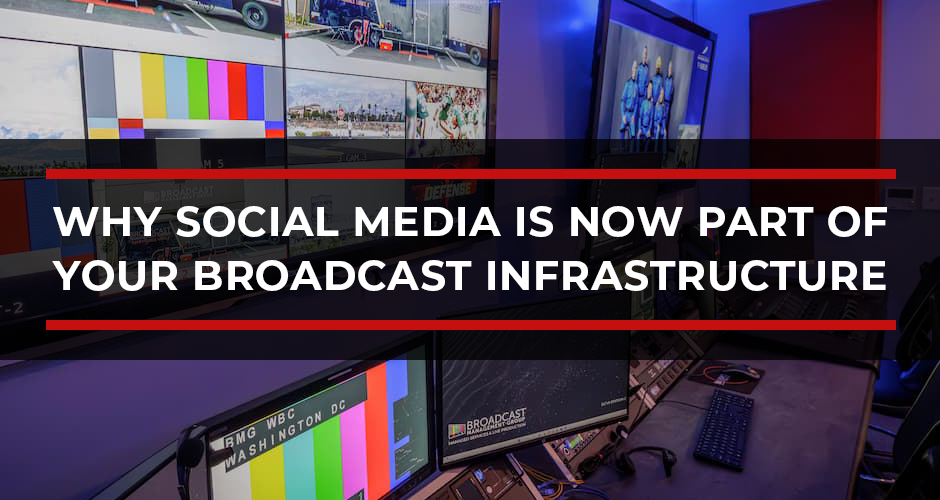
Your legacy playout platform wasn't built for today's audience.
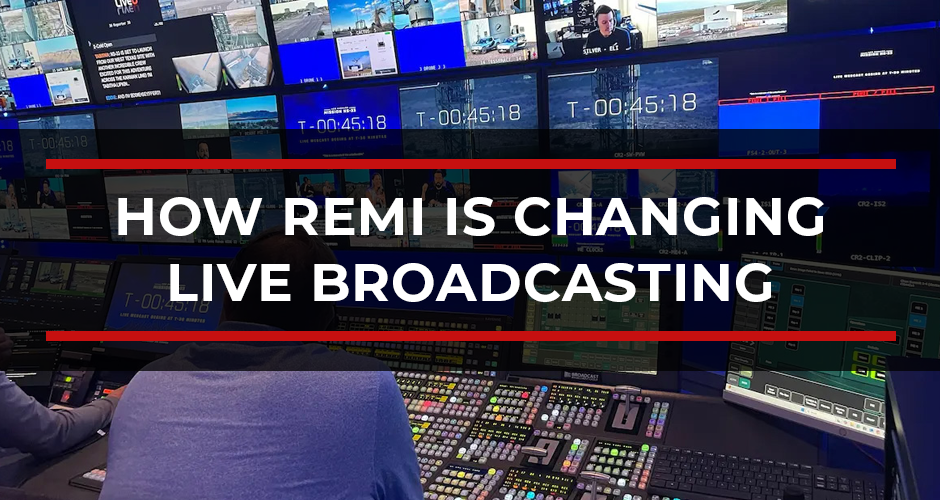
The biggest shift in live production isn’t happening on-site.
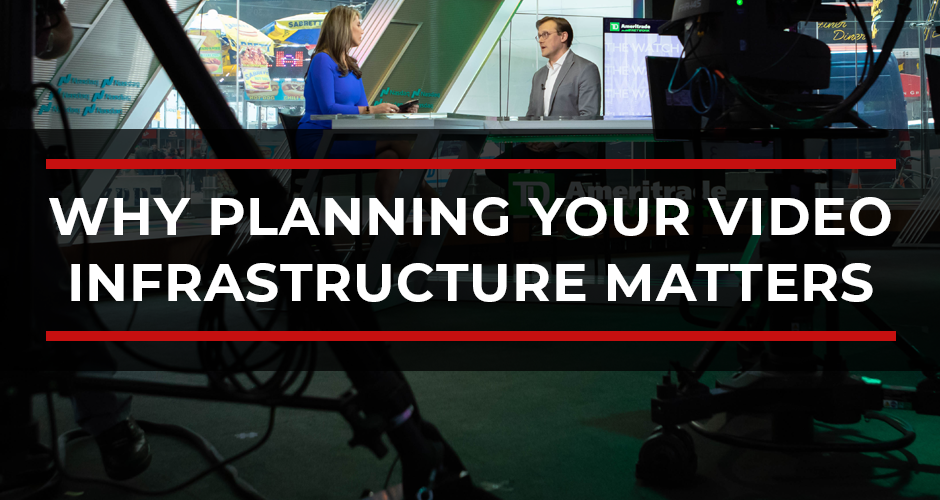
Organizations across nearly every industry are investing more heavily in video infrastructure.
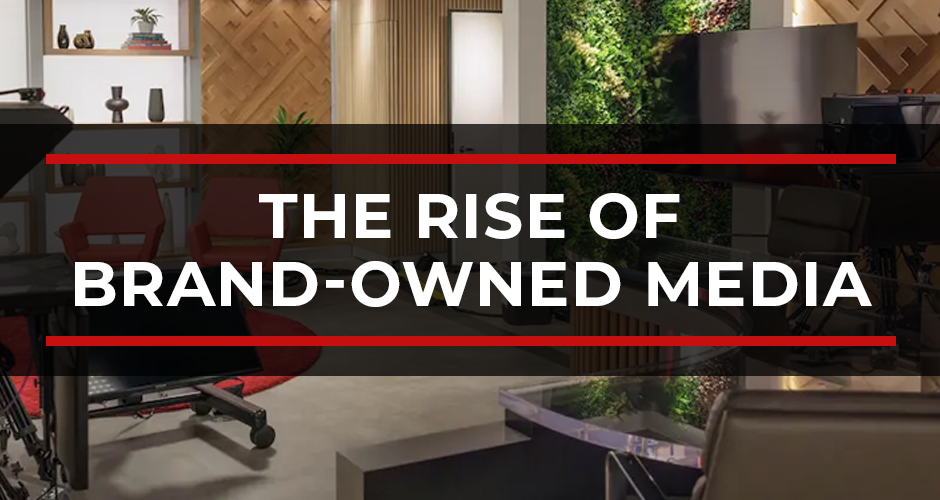
A fundamental shift is underway in the global media and marketing landscape.
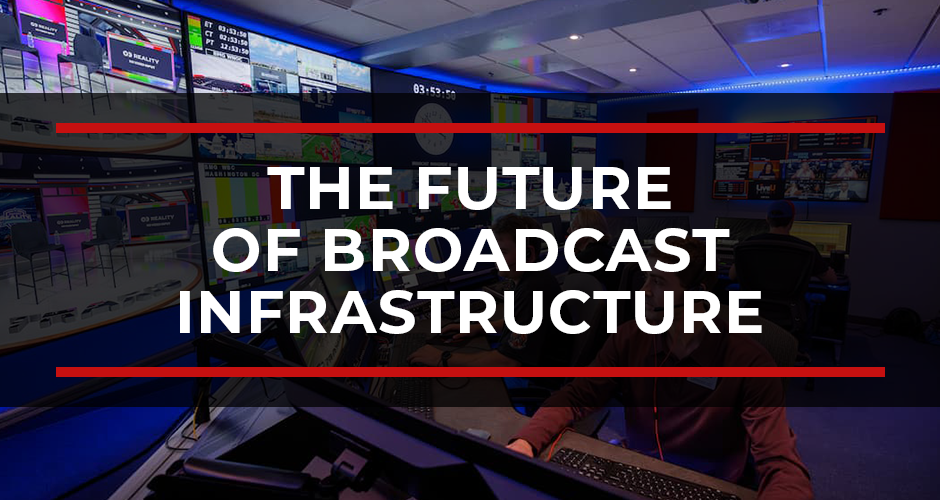
The way live television is produced is changing faster today than at any point since the transition from analog to digital broadcasting.